

Freedom
Freedom means moving, speaking and reading without being recorded for it. Trebired builds software that tracks no one and runs Tor relays on its own servers.
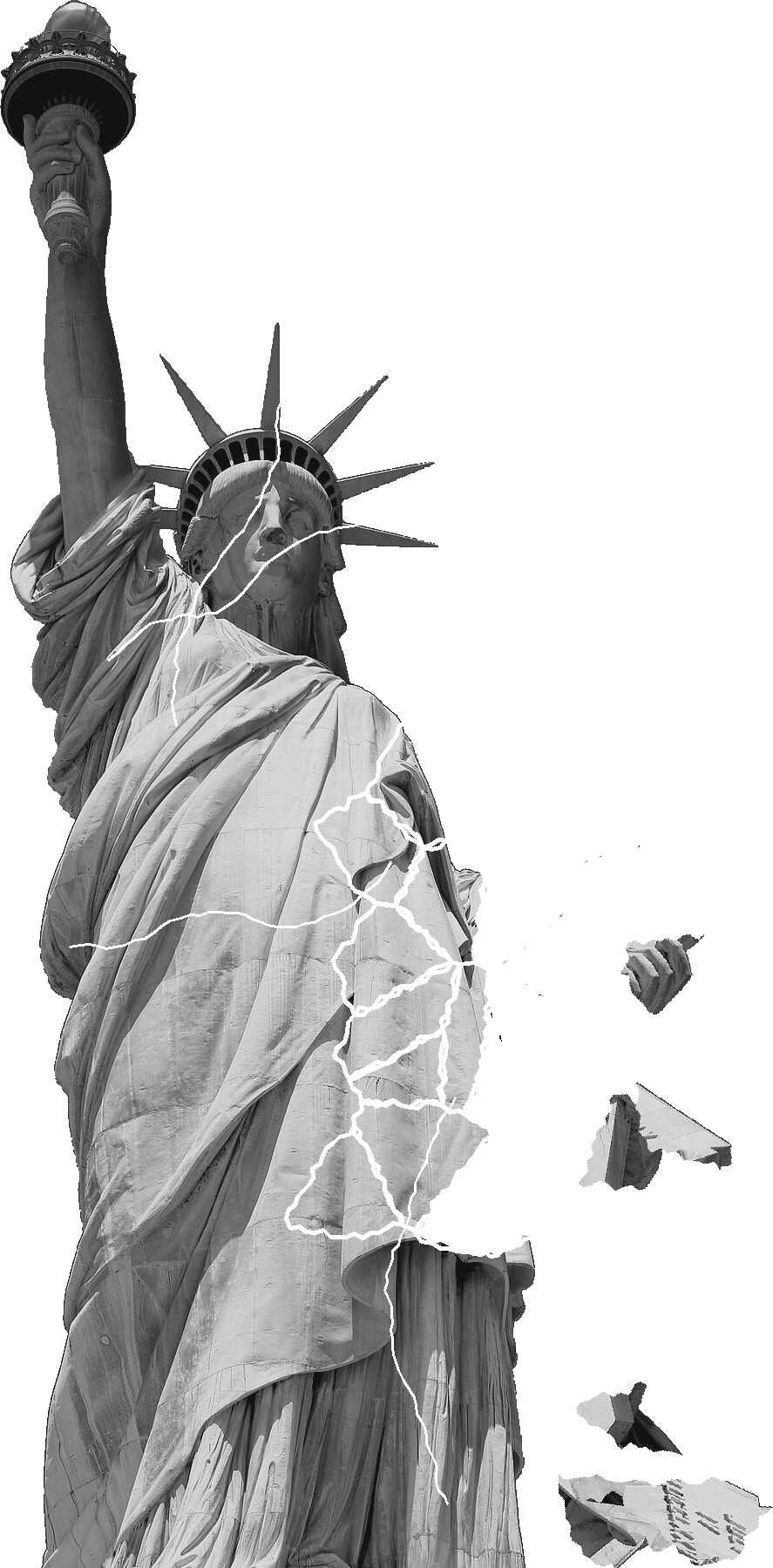
Liberty Enlightening the World
For almost 140 years the statue in New York Harbor has stood for one promise: that in a free country people can live, speak and move without asking anyone's permission. The broken chain at her feet is that promise, hammered in copper.
She still stands. The promise she stands for is cracking.
Give me your tired, your poor, your huddled masses yearning to breathe free.
A free person does not have to account for where they went, who they called or what they read. Once all of it is recorded, that freedom holds only for as long as nobody decides to look. In the country she stands in, that recording is now written into law.
Surveillance, written into law
- 2001 PATRIOT Act: agents can demand records of people never suspected.
- 2006 A secret court lets the NSA log who calls whom, when and how long.
- 2008 Section 702: messages with anyone abroad, taken without a warrant.
- 2013 Edward Snowden shows that these laws were used to collect records on millions of people who had done nothing wrong.
- 2015 The USA FREEDOM Act stops the NSA from storing everyone's call logs. It now has to ask the phone companies, case by case.
- 2024 Section 702 is renewed again: Americans' messages caught in it can still be searched without a warrant.
None of these powers needs a suspect, and most of them stayed secret until one contractor took the documents out.
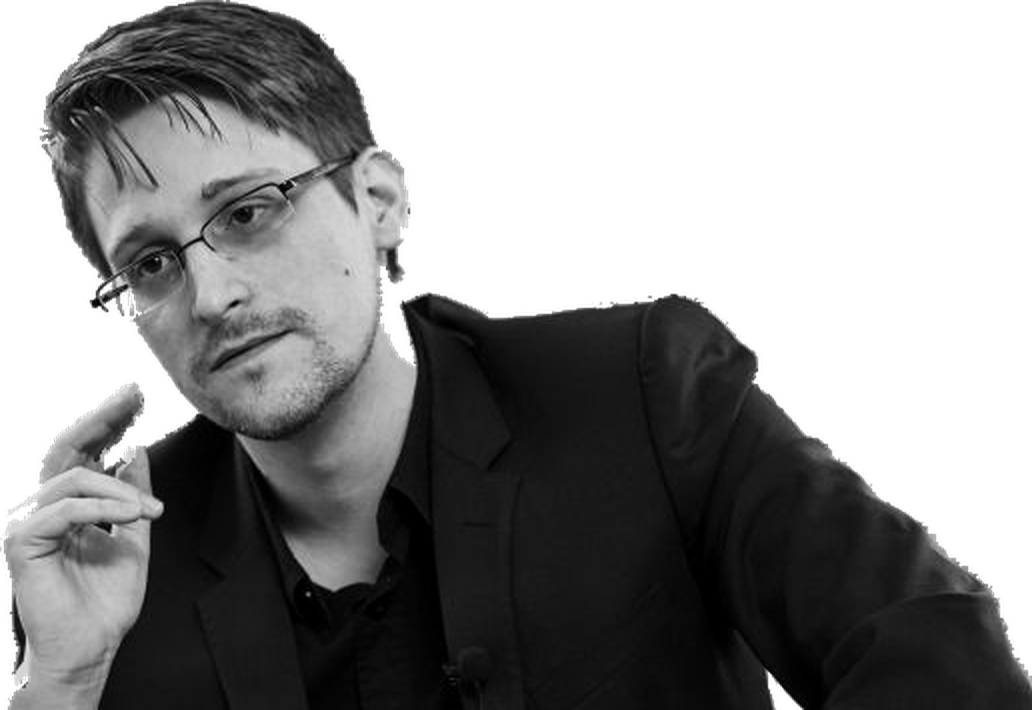
Edward Snowden
In June 2013 Edward Snowden, a contractor working for the US National Security Agency, gave journalists documents showing that the agency was collecting the phone records of millions of people and data from the largest internet companies, without those people knowing.
The journalists who reported the story worked with the tools on this page, and two years later the United States ended the bulk collection of its citizens' phone records. Whatever anyone thinks of how the documents came out, the public learned what was being done in its name, and the law changed because of it.
Arguing that you don't care about the right to privacy because you have nothing to hide is no different than saying you don't care about free speech because you have nothing to say.
The phone records were only the start. Since then the watching has moved out onto the street, one camera at a time.
The world is watching
surveillance cameras in 2019
That was IHS Markit's estimate for the whole world in 2019, with 54 percent of the cameras in China and a billion expected by 2021.
The cameras are learning faces. In August 2025 the British Home Office funded ten vans that compare the faces of passers-by with police watchlists in real time, for seven police forces across England.
A camera network answers one question: who was where. Encryption, Tor and software that keeps nothing are how people keep that answer to themselves.
The onion router
Tor stands for The Onion Router. Before a request leaves the reader's computer it is wrapped in three layers of encryption, one for each relay on the way. Each relay peels off its own layer and learns only where to pass what is left, so no relay ever knows both who is reading and what.
The network exists because volunteers run its relays, and Trebired is one of them: it runs several Tor relays on its own servers and gives them the bandwidth they need.
- Guard relay: sees who is reading, not what
- Middle relay: sees neither
- Exit relay: sees the page, not the reader
- The request: the page the reader asked for
Freedom needs
Use tools that keep nothing: Tor Browser for reading and Signal for messages. A spare server with a steady connection can run a Tor relay, the way Trebired's servers do, and make the crowd bigger for everyone in it.
Street cameras are bought by city councils, and city councils answer to the people who live there. Ask yours what the cameras record, who can search them and for how long, and say no when the answer is everything and anyone.